

Commodi pariatur iusto quasi.
Healthcare for Aging Parents
- Home
- Healthcare for Aging Parents
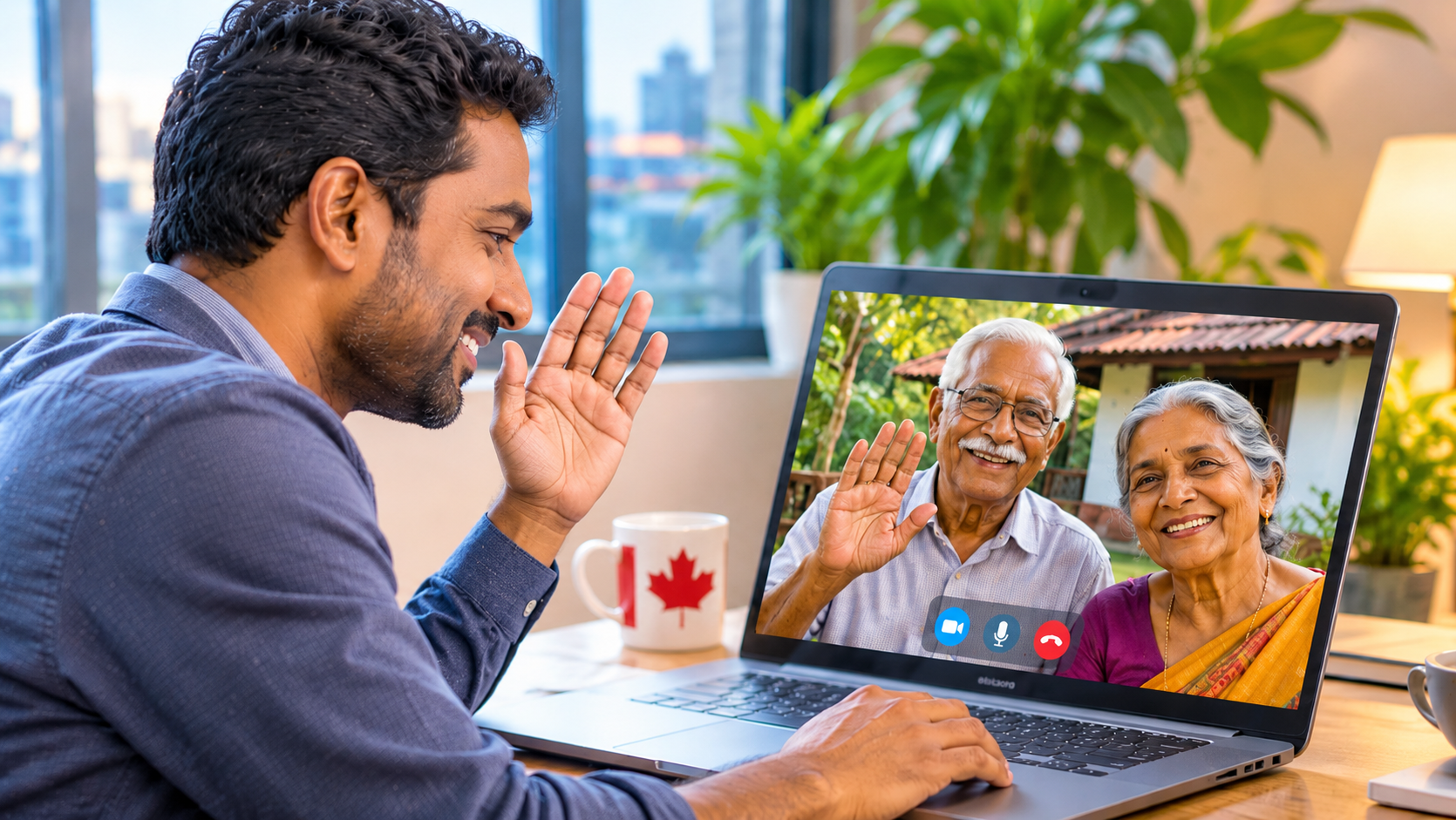
Healthcare for Aging Parents
Caring for Aging Parents in Sri Lanka While Living Abroad
For many Sri Lankans living overseas, family remains closely connected to life back home.
While building careers, raising families, and managing responsibilities abroad, one concern often remains: ensuring that aging parents in Sri Lanka receive appropriate healthcare and support.
Distance can make it difficult to attend medical appointments, understand changing health needs, or respond quickly when concerns arise.
However, with thoughtful planning, regular communication, and appropriate healthcare connections, families can remain actively involved in their parents’ well-being.
CareBridgePlus aims to help bridge this distance by connecting Sri Lankan families worldwide with healthcare professionals and coordination services in Sri Lanka.
Understanding the Healthcare Needs of Aging Parents
As people grow older, their healthcare requirements may change.
Some older adults remain active and independent, while others need additional support managing ongoing medical conditions, medications, mobility, or specialist appointments.
Common areas that families may need to consider include:
- Routine medical check-ups.
- Monitoring existing health conditions.
- Medication management.
- Vision and hearing assessments.
- Mobility and fall prevention.
- Nutrition and general wellness.
- Emotional and social well-being.
The level of support required will depend on each person’s individual health, preferences, and independence.
Rather than making assumptions based on age, families should discuss their parents’ specific needs and involve them in decisions.
1. Maintain Regular Communication
Consistent communication is one of the most valuable ways to stay involved in your parents’ lives.
Phone calls and video conversations can provide opportunities to discuss everyday activities, medical appointments, and any new concerns.
Consider asking open-ended questions such as:
- How have you been feeling recently?
- Have you had any medical appointments?
- Are you comfortable with your current medications?
- Is there anything you need help arranging?
- Would you like someone to accompany you to your next appointment?
These conversations can help identify areas where additional assistance may be useful.
They also allow parents to express their preferences rather than feeling that decisions are being made without them.
2. Keep Important Medical Information Organized
When supporting parents from another country, having access to accurate medical information can make communication easier.
With your parents’ permission, consider organizing relevant details such as:
Medical history: Important diagnoses, previous procedures, and ongoing health concerns.
Medication information: Current prescriptions, dosages, and prescribing healthcare professionals.
Healthcare contacts: Family doctors, specialists, hospitals, and pharmacies.
Appointment records: Upcoming consultations and follow-up recommendations.
Emergency contacts: Trusted family members or caregivers living nearby.
Store sensitive information securely and share it only with people who have appropriate permission.
3. Encourage Appropriate Preventive Healthcare
Regular healthcare appointments may help identify concerns early and support the management of existing conditions.
The type and frequency of check-ups should be based on a healthcare professional’s recommendations, medical history, and individual needs.
Depending on the person, discussions with their doctor may include blood pressure monitoring, diabetes management, medication reviews, vaccinations, or age-appropriate screening.
Families living overseas can support these appointments by helping with scheduling, transportation arrangements, or follow-up communication when requested.
4. Build a Reliable Local Support Network
Although technology helps families stay connected, having trusted people nearby can be especially valuable.
A local support network may include relatives, friends, neighbors, caregivers, or healthcare professionals.
With your parents’ agreement, establish clear communication arrangements so everyone understands whom to contact when assistance is needed.
A support network can help with practical matters such as attending appointments, collecting prescriptions, or arranging transportation.
It is equally important to respect your parents’ privacy, independence, and preferences.
5. Use Online Medical Consultations When Appropriate
Virtual healthcare consultations may provide additional flexibility for families living in different countries.
Depending on the medical concern, provider availability, and applicable regulations, online consultations can help patients discuss symptoms, review medical information, or seek specialist guidance.
For some families, virtual appointments may also make it easier to involve an overseas relative in a healthcare conversation, provided the patient agrees.
Online consultations are not appropriate for every condition, and physical examinations or investigations may still be required.
6. Plan Ahead for Medical Appointments and Treatment
If a parent requires specialist care, planning can reduce confusion and help everyone understand the next steps.
Useful questions include:
- Which specialist is appropriate?
- What medical records are required?
- Is an in-person examination necessary?
- What are the estimated consultation or treatment costs?
- Will follow-up appointments be needed?
- Who can assist with transportation or recovery arrangements?
Having this information in advance can help families coordinate responsibilities and avoid unnecessary uncertainty.
7. Support Emotional Well-Being and Independence
Healthcare involves more than medical appointments.
Older adults may value companionship, familiar routines, cultural activities, and opportunities to remain connected with family and friends.
Encourage activities that your parents enjoy and that are appropriate for their health and abilities.
Most importantly, include them in conversations about their care.
Providing support should not mean taking away their independence. Respecting personal choices is an important part of maintaining dignity and well-being.
How CareBridgePlus Supports Families Across Borders
CareBridgePlus was created around the idea that distance should not prevent families from exploring appropriate healthcare connections.
Our platform aims to help Sri Lankans overseas and their loved ones in Sri Lanka connect with experienced healthcare professionals.
Depending on service availability, this may include assistance with:
- Finding suitable healthcare specialists.
- Exploring online consultation options.
- Arranging medical second opinions.
- Understanding healthcare coordination options in Sri Lanka.
- Navigating communication and appointment arrangements.
CareBridgePlus facilitates healthcare connections rather than directly providing medical treatment.
Staying Close to Care, Even When You’re Far Away
Supporting aging parents from another country requires communication, planning, patience, and cooperation.
Although distance presents challenges, families can take practical steps to remain involved while respecting their parents’ independence.
The right healthcare connections can make coordination easier and help families approach decisions with greater confidence.
CareBridgePlus is here to help connect Sri Lankan families worldwide with healthcare professionals who understand their needs.
Call to Action: Explore Family Healthcare Connections
Medical disclaimer: This article provides general information and is not a substitute for advice from a qualified healthcare professional. Seek immediate local medical assistance for emergencies.

- Share

Recent Comments
Quisquam libero impedit dicta.
Sed do eiusmod tempor.
Consectetur adipisicing elit.
Lorem ipsum dolor sit amet.
